Tips for Creating a Comfortable and Productive Home Office Space
Creating a comfortable and productive home office space is essential for anyone working remotely or managing tasks from home. A well-designed workspace can boost your focus, improve your mood, and increase efficiency throughout the day. Whether you have a dedicated room or a small corner, here are some helpful tips to transform your home office into a space that supports your work and well-being.
Choose the Right Location
Consider Natural Light
Whenever possible, select a spot in your home that receives plenty of natural light. Sunlight can enhance your mood, help regulate your sleep cycle, and reduce eye strain. If natural light isn’t available, invest in high-quality, adjustable lighting to mimic daylight.
Minimize Distractions
Try to set up your home office in a quiet area away from heavy foot traffic, noisy appliances, or household distractions. If you don’t have a separate room, consider room dividers or noise-cancelling headphones to create a more focused environment.
Invest in Ergonomic Furniture
Comfortable Chair
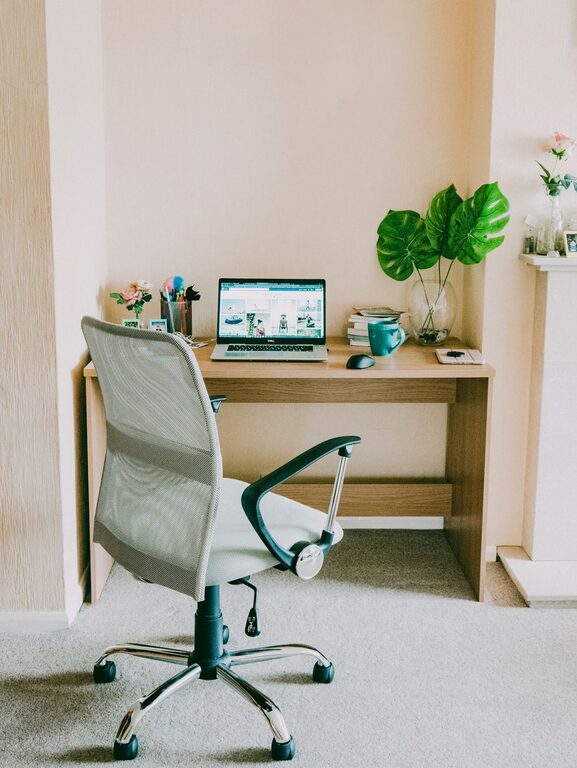
Your chair is one of the most important pieces of furniture in your office. Choose an ergonomic chair with good lumbar support that encourages proper posture and prevents back pain during long hours of work.
Suitable Desk
Select a desk at the right height where you can sit comfortably with your feet flat on the floor and your arms at a 90-degree angle. If you like to switch between sitting and standing, consider a sit-stand desk.
Organize Your Workspace
Declutter Regularly
A tidy workspace promotes clear thinking. Keep only the essentials on your desk, and store paperwork and supplies in drawers or shelves to avoid clutter.
Use Storage Solutions
Use organizers, filing cabinets, or shelves to keep items like documents, stationery, and electronics neatly stored. Labeling boxes or files helps you locate things quickly and saves time.
Optimize Technology and Tools
Reliable Internet Connection
A stable internet connection is critical for efficient work. Consider upgrading your router or using a wired connection if possible to avoid slowdowns or dropped calls.
Quality Equipment
Invest in the right technology such as a good monitor, keyboard, and mouse. These can reduce eye strain, wrist discomfort, and improve your overall productivity.
Personalize Your Space
Add Plants
Indoor plants can improve air quality and add a touch of nature, which can reduce stress and increase creativity.
Use Inspiring Decor
Decorate with artwork, photos, or motivational quotes that inspire you without overwhelming your workspace.
Choose Soothing Colors
Calming colors like soft blues, greens, or neutrals can create a peaceful atmosphere conducive to focus and relaxation.
Manage Lighting Effectively
Avoid Glare
Position your monitor and desk perpendicular to windows to minimize glare on the screen. Use blinds or curtains to control sunlight.
Layer Lighting
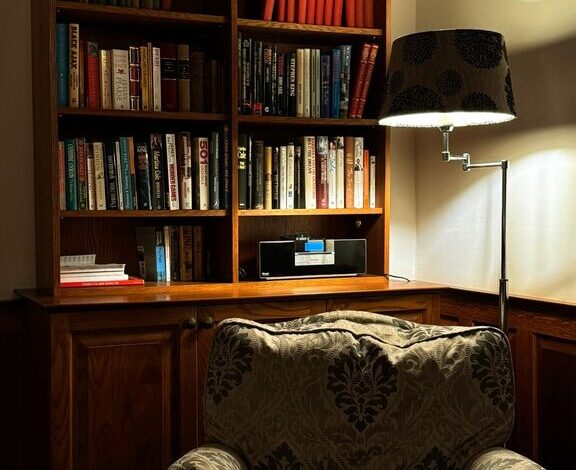
Use a combination of overhead lighting, task lighting (like desk lamps), and ambient lighting to create a balanced environment that reduces eye fatigue.
Set Boundaries and Routines
Define Work Hours
Having clear start and end times helps maintain work-life balance and prevents burnout.
Create a Morning Routine
Prepare your workspace before starting the day to mentally transition into work mode.
Take Breaks
Schedule regular breaks throughout your day to stretch, walk around, and rest your eyes.
Improve Air Quality
Ventilation
Ensure your home office has proper airflow by opening windows or using air purifiers. Fresh air helps you stay alert and comfortable.
Maintain Comfortable Temperature
Keep the room temperature in a comfortable range, typically between 68-72°F, to avoid distractions caused by feeling too hot or cold.
Final Thoughts
Designing a home office that is both comfortable and productive requires attention to your personal needs and workspace functionality. Experiment with different layouts, lighting options, and organizational methods until you find what works best for you. Remember, your home office should be a space that encourages focus, reduces stress, and supports your overall well-being. With these tips, you can create an environment that helps you do your best work from home.