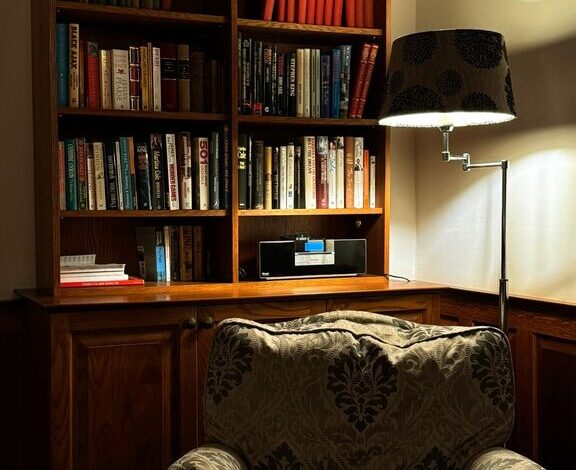
Tips for Creating a Relaxing Home Office Environment
Creating a relaxing home office environment is essential for maintaining focus, reducing stress, and enhancing productivity. Whether you work remotely full-time or handle occasional tasks at home, a well-designed workspace can make all the difference. Here are some practical tips to help you transform your home office into a calming, comfortable, and efficient place to work.
1. Choose the Right Location
The first step in setting up a relaxing home office is finding the ideal spot. Consider these factors:
– Natural light: Choose a location with plenty of natural sunlight. Exposure to daylight can improve your mood and energy levels.
– Quiet area: Opt for a space away from noisy household activities or busy streets.
– Privacy: If possible, pick a room or corner where you can close the door to minimize distractions.
By starting with a peaceful and well-lit location, you create a foundation for a stress-free workspace.
2. Invest in Comfortable Furniture
Your office furniture plays a big role in how relaxed and focused you feel:
– Ergonomic chair: Select a chair with good lumbar support and adjustable features that fit your body.
– Proper desk height: Make sure your desk allows your elbows to rest at a 90-degree angle while typing.
– Footrest: Consider a footrest if your feet don’t rest flat on the floor to reduce leg strain.
Comfortable furniture not only promotes good posture but also helps prevent physical discomfort that can be distracting.
3. Keep Your Space Organized
Clutter can create stress and disrupt your concentration. Here are some tips to stay organized:
– Declutter regularly: Remove items you don’t need daily and keep only essentials on your desk.
– Storage solutions: Use shelves, drawers, or boxes to store paperwork, office supplies, and electronics.
– Cable management: Use clips, ties, or cable covers to keep cords tidy and out of the way.
A neat workspace fosters a sense of calm and makes it easier to find what you need.
4. Personalize Your Workspace
Adding your personal touch can make your office feel more inviting:
– Plants: Indoor plants improve air quality and add a natural, soothing element.
– Artwork: Hang pictures or posters that inspire or relax you.
– Comfort items: Include soft rugs, cushions, or curtains in colors you find calming.
Personalized touches can boost your mood and make spending time in your office more enjoyable.
5. Manage Lighting Effectively
Lighting affects both your productivity and comfort:
– Layered lighting: Use a combination of natural light, overhead lights, and task lamps to reduce eye strain.
– Adjustable lamps: A flexible desk lamp lets you focus light where you need it most.
– Avoid glare: Position monitors and lights to minimize reflections on screens.
Good lighting helps prevent headaches and fatigue during extended work hours.
6. Control Noise Levels
A noisy environment can be a major distraction. Consider these ideas:
– Noise-canceling headphones: Great for tuning out background sounds.
– Soft furnishings: Rugs, curtains, and cushions help absorb sound.
– White noise machines: These can mask disruptive noises and enhance focus.
Creating a quieter environment supports concentration and reduces stress.
7. Maintain a Comfortable Temperature
Temperature affects comfort and productivity. Try these tips:
– Heating and cooling: Use space heaters or fans to keep the temperature comfortable year-round.
– Ventilation: Open windows when possible to allow fresh air circulation.
– Dress appropriately: Layer your clothing to adjust to temperature changes easily.
A comfortable temperature helps maintain concentration and prevents discomfort.
8. Incorporate Break-Friendly Elements
Taking breaks is essential for maintaining mental clarity and reducing fatigue:
– Break area: If space allows, create a separate spot with a comfy chair for short rests.
– Movement reminders: Use apps or timers to remind yourself to stand, stretch, or walk periodically.
– Hydration station: Keep a water bottle or tea nearby to stay refreshed.
Encouraging regular breaks helps you recharge and stay productive throughout the day.
Conclusion
Designing a relaxing home office environment is a simple yet effective way to enhance your work experience. By selecting the right location, investing in comfortable furniture, keeping your space organized, and paying attention to lighting, noise, and personal touches, you create an atmosphere that supports both relaxation and productivity. Remember to listen to your needs and adjust your setup over time to maintain a workspace that feels just right for you.